
Hardwood Floor Installation on Long Island, NY
Long Island's 2.9 million residents live in over one million homes — and roughly 82% of those households are owner-occupied, one of the highest homeownership rates in the country. With a housing stock where 60-70% of Nassau County homes were built before 1980, hardwood floor installation and refinishing is one of the most common home improvement projects across the island. Installation rates on Long Island start at $8 per square foot for engineered floating floors and range up to $25+ per square foot for premium solid hardwood species like walnut. Our crews work across all of Nassau and Suffolk counties, 7 days a week.
Call Now: 888-959-0968Long Island's post-war housing boom — from Levittown's Cape Cods in 1947 through the ranch and colonial subdivisions of the 1960s and 1970s — created neighborhoods full of homes with plywood subfloors purpose-built for hardwood. Many of these homes still have original hardwood under carpet, waiting to be restored. Others need fresh installation to replace aging vinyl, laminate, or tile. The island's coastal climate adds a layer of complexity that generic installers often miss: summer humidity regularly exceeds 70%, while winter heating drops indoor moisture below 25%. Proper acclimation, species selection, and moisture management are the difference between floors that last 25 years and floors that cup in the first summer.
Whether you need nail-down red oak planks in a Syosset colonial, engineered white oak glued over a concrete slab in a Bay Shore basement, or a herringbone walnut pattern in a Southampton estate, our installation crews bring the equipment, acclimation protocols, and local knowledge that Long Island's homes demand.
Hardwood Flooring Services
From solid hardwood nail-down installation in post-war colonials to engineered floating floors over concrete slabs, we handle every type of hardwood project across Long Island.
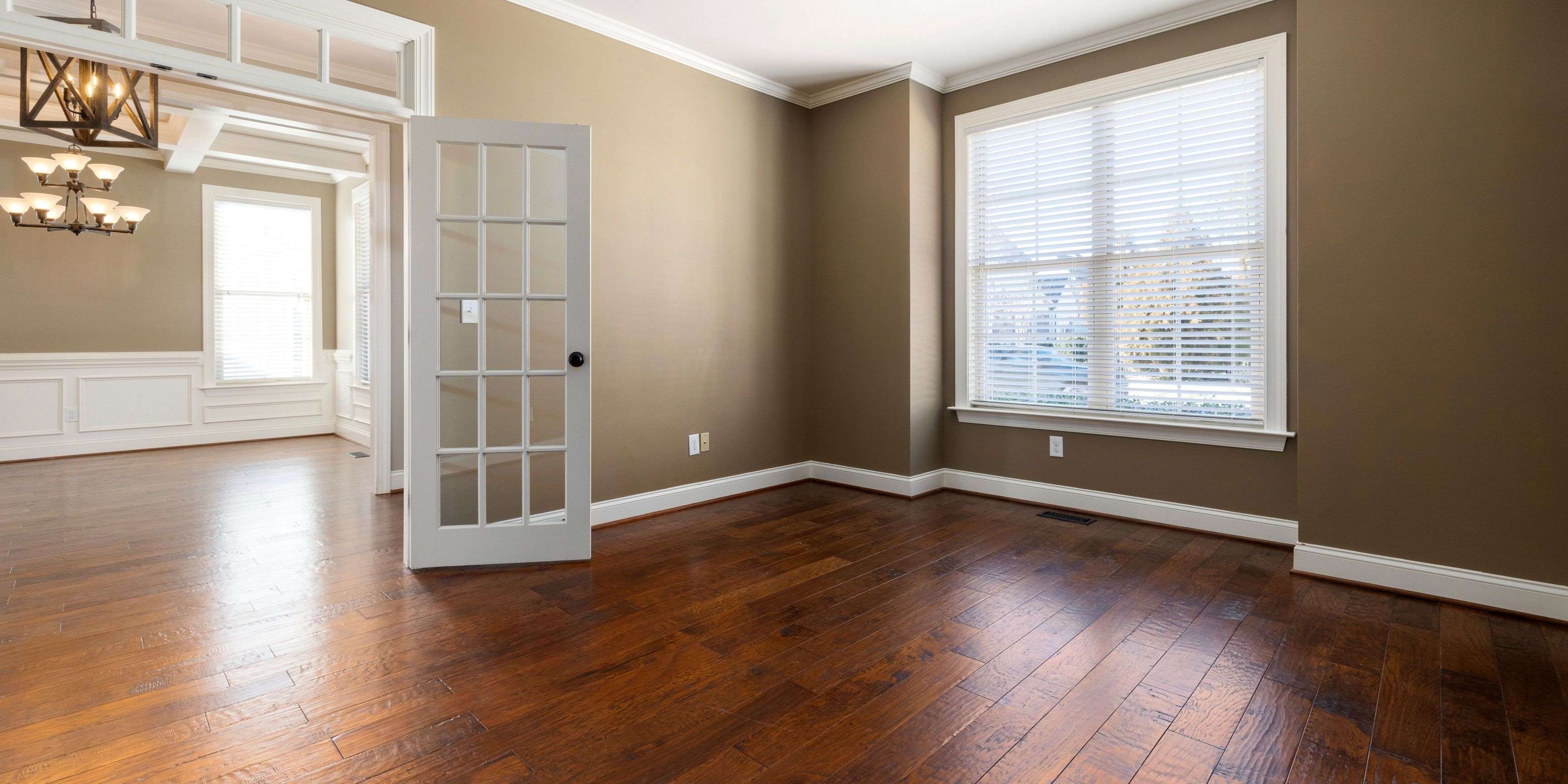
Solid Hardwood Installation
Nail-down and staple-down installation of solid hardwood planks over plywood subfloors. Red oak, white oak, maple, hickory, and walnut in widths from 2-1/4" to 5" planks. The standard method for most Long Island homes with wood-framed floors.
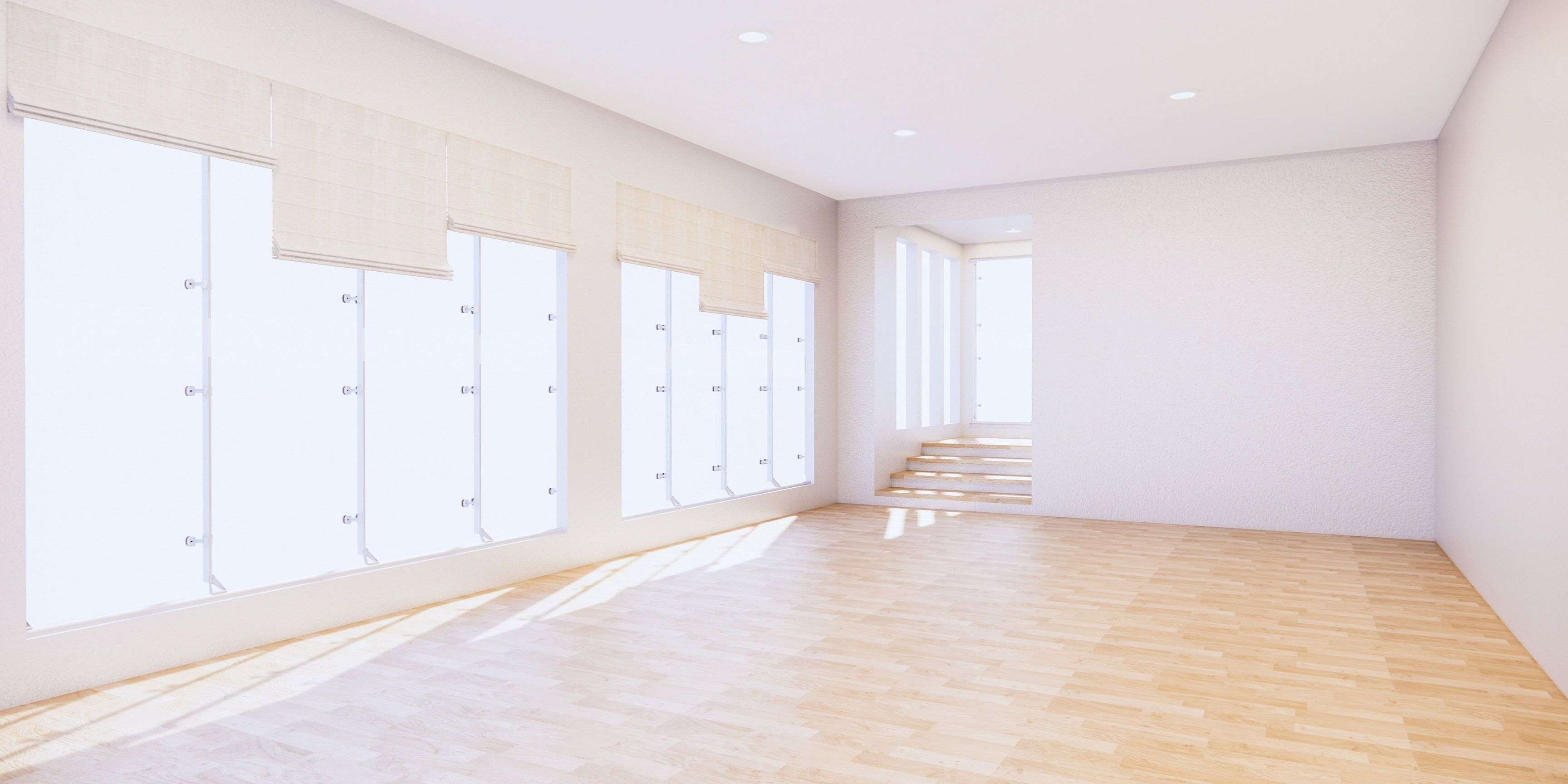
Engineered Hardwood Installation
Glue-down and floating installation of engineered hardwood over concrete slabs, radiant heat systems, and existing subfloors. Multi-layer construction handles Long Island's humidity swings better than solid wood — ideal for basements and waterfront homes.
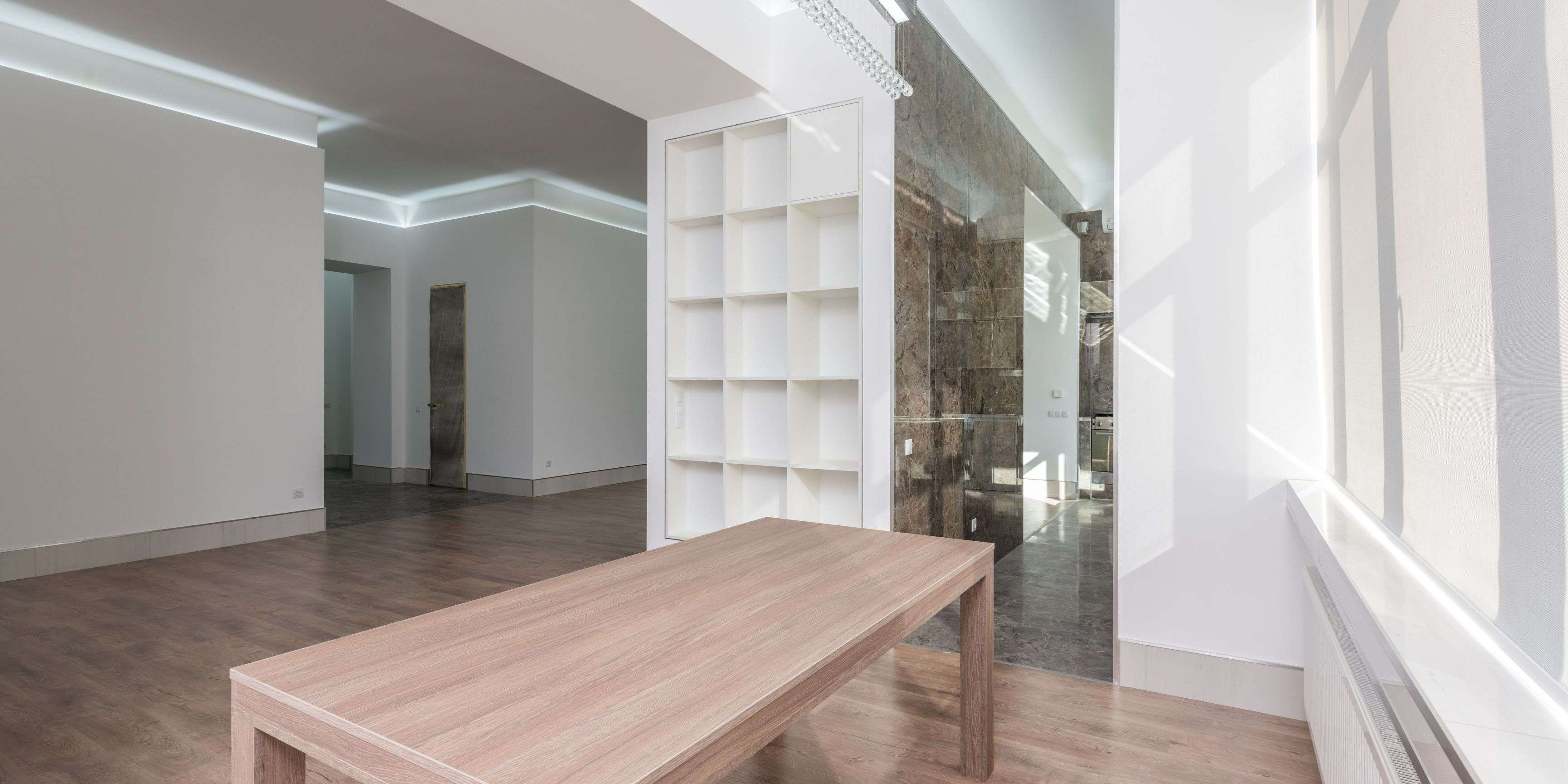
Hardwood Floor Refinishing
Sanding, staining, and finishing of existing hardwood floors. Many Long Island homes built in the 1940s-1970s have original hardwood under carpet that can be restored at a fraction of replacement cost. Water-based and oil-based polyurethane, hardwax oil finishes.
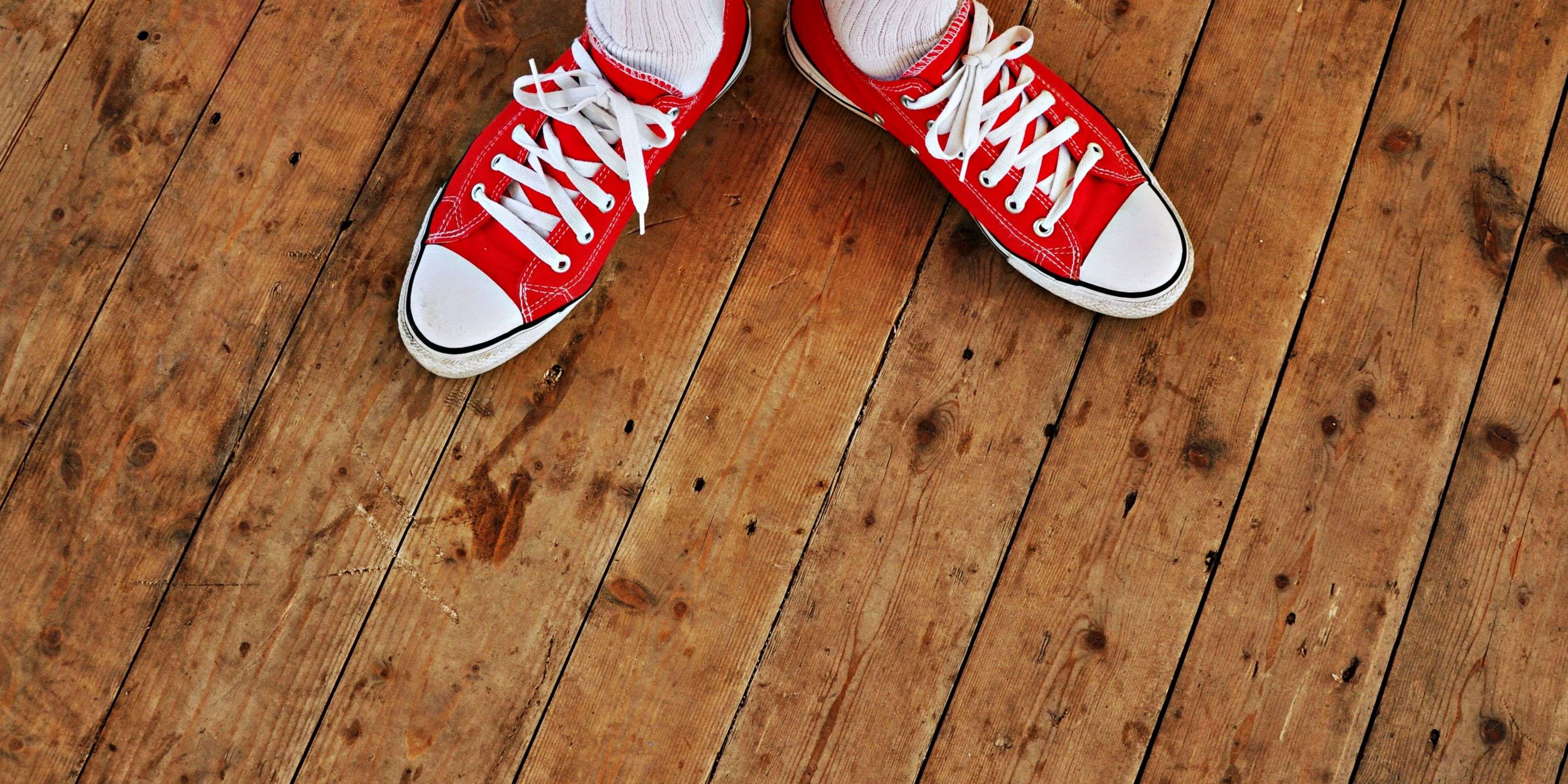
Custom Patterns & Borders
Herringbone, chevron, parquet, and custom border designs for distinctive installations. Popular in North Shore estates, Hamptons homes, and high-end renovations across Long Island where standard plank layouts don't match the home's character.
Subfloor Preparation
Leveling, plywood overlay, moisture testing, and vapor barrier installation. Long Island's older homes often need diagonal board sheathing addressed before hardwood goes down. Concrete slabs require 6-mil polyethylene barriers with taped seams.
Hardwood Floor Repair
Board replacement, water damage repair, gap filling, and spot refinishing. Long Island's humidity cycles cause cupping, gapping, and buckling that require professional assessment and targeted repair rather than full replacement.
Service Specifications
- Installation Methods
- Nail-down (pneumatic flooring nailer, 3/4" plywood subfloors), glue-down (moisture-cure urethane adhesive, concrete slabs), floating (click-lock engineered over any subfloor), and staple-down (engineered over plywood). Method selection based on subfloor type, wood product, and room conditions.
- Wood Species Available
- Red oak ($12-$25/sq ft), white oak ($15-$25/sq ft), maple ($12-$22/sq ft), hickory ($14-$24/sq ft), walnut ($16-$30/sq ft), Brazilian cherry ($18-$35/sq ft), and engineered hardwood ($7-$20/sq ft). White oak recommended for coastal Long Island homes due to closed-grain moisture resistance.
- Finish Options
- Water-based polyurethane (clear, non-yellowing, low VOC, 2-hour dry time between coats), oil-based polyurethane (warm amber tone, 8-24 hour dry time), hardwax oil (Rubio Monocoat, Osmo — natural matte look, easy spot repairs), and pre-finished factory coats (UV-cured aluminum oxide, no on-site dust).
- Acclimation Protocol
- Minimum 72 hours on-site acclimation before installation; 7+ days recommended during Long Island's high-humidity summer months (June-August). Wood delivered to the installation space with HVAC running at normal living conditions. Moisture content verified with pin-type and pinless moisture meters before work begins.
- Subfloor Requirements
- Plywood subfloors: 3/4" CDX or better, level within 3/16" per 10-foot span. Concrete slabs: moisture testing (calcium chloride or in-situ RH probe), 6-mil polyethylene vapor barrier with overlapping taped seams. Diagonal board sheathing: 1/2" plywood overlay required before hardwood installation.
- Moisture Management
- Indoor relative humidity maintained between 35-55% year-round. Dehumidifier use recommended June through September on Long Island. Humidifier use recommended December through March during forced-air heating season. 15-lb asphalt-saturated felt paper underlayment standard over plywood subfloors.
- Crew Configuration
- 2-person crews for standard installations (750-1,000 sq ft per day). 3-4 person crews for large projects (2,000+ sq ft) and custom pattern work. All crew members carry valid New York State Home Improvement Contractor credentials.
- Warranty & Licensing
- Written warranty on workmanship. New York State Home Improvement Contractor license (required in Nassau and Suffolk counties). General liability insurance and workers' compensation. Certificate of Insurance available for condo and co-op boards at no additional charge.
Hardwood Floor Installation Pricing
Long Island pricing runs 10-20% above national averages due to higher labor rates in the New York metro area. All estimates include materials and labor.
| Project Size | Square Footage | Estimated Cost |
|---|---|---|
| Single Bedroom | 150-200 sq ft | $1,800 - $4,000 |
| Living Room | 250-400 sq ft | $3,000 - $8,000 |
| Kitchen | 150-250 sq ft | $1,800 - $5,000 |
| Master Suite | 300-500 sq ft | $3,600 - $10,000 |
| Main Living Area | 500-800 sq ft | $6,000 - $16,000 |
| Full First Floor | 800-1,200 sq ft | $9,600 - $24,000 |
| Whole House | 1,500-2,500 sq ft | $18,000 - $50,000+ |
Installation Method Pricing (Per Square Foot)
| Method | Cost/Sq Ft | Best For |
|---|---|---|
| Nail-Down | $8 - $18 | Plywood subfloors (most LI homes) |
| Glue-Down | $10 - $22 | Concrete slabs, engineered hardwood |
| Floating | $7 - $15 | Engineered hardwood, basements |
| Staple-Down | $8 - $16 | Engineered over plywood |
Additional Cost Factors
- Subfloor repair or leveling: $2-$5 per square foot additional — common in pre-1960 homes with uneven diagonal board sheathing
- Old flooring removal and disposal: $1-$3 per square foot — includes carpet, vinyl, tile, or damaged hardwood removal
- Baseboard and trim removal/reinstallation: $1-$2 per linear foot — standard with most full-room installations
- On-site staining: $1-$3 per square foot additional — custom stain colors applied after sanding unfinished hardwood
- Custom patterns (herringbone, chevron): 50-100% premium over standard straight plank — additional labor for precision cutting and layout
- Furniture moving: $50-$100 per room, or homeowner can move furniture before crew arrival
Our Installation Process
-
Step 1: Free On-Site Estimate
We visit your Long Island home to measure the installation area, assess the subfloor condition, test moisture levels, and discuss wood species and finish preferences. We provide a written estimate with itemized costs, timeline, and material specifications. Typical estimate visits take 30-45 minutes and are scheduled within 48 hours of your call.
-
Step 2: Material Selection & Delivery
We help you select the right wood species for your home's conditions — white oak for coastal humidity, red oak for traditional warmth, or engineered hardwood for concrete-slab basements. Materials are delivered to your home 3-7 days before installation begins so the wood can acclimate to your home's temperature and humidity. On Long Island, we extend acclimation to 7+ days during summer months when outdoor humidity exceeds 70%.
-
Step 3: Subfloor Preparation
Old flooring is removed and the subfloor is inspected, cleaned, and leveled. Plywood subfloors are checked for moisture content and flatness (must be within 3/16" per 10-foot span). Concrete slabs receive moisture testing and a 6-mil vapor barrier. Older Long Island homes with diagonal board sheathing get a 1/2" plywood overlay. Any squeaks or soft spots are repaired before hardwood goes down.
-
Step 4: Installation
Hardwood is installed using the appropriate method for your subfloor — nail-down for plywood, glue-down for concrete, or floating for engineered products. A 2-person crew installs approximately 750-1,000 square feet per day. Expansion gaps are maintained along all walls and fixed objects. Transition strips are installed at doorways and material changes. On-site quality checks throughout the process.
-
Step 5: Finishing & Final Inspection
For unfinished hardwood: sanding (3 passes — 36, 60, and 100 grit), optional staining, and 2-3 coats of polyurethane with drying time between coats. Pre-finished hardwood skips this step entirely. Baseboards and trim are reinstalled. A final walkthrough with you confirms every detail meets expectations. We leave cleanup instructions and maintenance guidance specific to Long Island's seasonal humidity patterns.
What to Expect
A typical Long Island hardwood floor installation takes 3-5 days for pre-finished hardwood or 7-10 days for unfinished hardwood that requires on-site sanding and finishing. This does not include the 3-7 day acclimation period before installation begins. Expect noise from pneumatic nailers and sanders during work hours — we schedule work between 8:00 AM and 6:00 PM Monday through Saturday. Rooms being worked on are inaccessible during installation. Dust from sanding is managed with HEPA-filtered equipment but some airborne particles are unavoidable with unfinished hardwood. After finishing, plan 24-48 hours before walking on the floor with socks and 72 hours before moving furniture back.
Project Example: Colonial Renovation in Garden City
- Home Type
- 1956 center-hall colonial, 2,400 sq ft, original plywood subfloors with carpet over hardwood on the first floor
- Scope
- Remove carpet from 1,200 sq ft first floor (living room, dining room, hallway, family room). Assess original red oak hardwood underneath. Refinish salvageable areas, replace damaged sections with matching red oak. Install new white oak in the 250 sq ft kitchen (previously vinyl tile over concrete).
- Challenges
- Original hardwood had water damage near the kitchen doorway and pet stains in the family room corner. Kitchen slab required moisture testing and vapor barrier. January installation meant low indoor humidity (22% measured at first visit) — humidifier recommended before acclimation.
- Solution
- Replaced 80 sq ft of damaged red oak with matching species and grain. Sanded entire first floor to uniform level. Applied two coats of water-based polyurethane (non-yellowing to preserve red oak's natural tone). Kitchen white oak glued down over vapor barrier on concrete slab with transition strip at doorway.
- Timeline
- 5 days acclimation for new materials, 3 days removal and subfloor prep, 2 days installation and repairs, 3 days sanding and finishing with dry time between coats. Total: 13 days from delivery to completion.
- Result
- 1,450 sq ft of cohesive hardwood flooring throughout the first floor, blending restored original red oak with new white oak in the kitchen. Water-based finish preserved the wood's natural color without yellowing.
Service Area
We install hardwood floors across all of Long Island — every town, village, and hamlet in both Nassau and Suffolk counties. From the Queens border to Montauk Point, our crews know the housing stock, subfloor types, and climate conditions specific to each part of the island.
Nassau County Communities
- Manhasset — Affluent North Shore hamlet with older colonials and estates; top-rated schools and express LIRR service
- Great Neck — North Shore peninsula community with colonials, Tudors, and co-ops; high-income households
- Garden City — One of Long Island's most prestigious villages; large colonials and Tudors on tree-lined streets
- Port Washington — Waterfront North Shore community with a mix of estates and modest homes
- Roslyn / Roslyn Heights — Historic North Shore village with colonials, Victorians, and hilly terrain
- Old Westbury — Ultra-affluent Gold Coast heritage; large estates and horse country
- Oyster Bay — Historic hamlet (Sagamore Hill); colonials and Victorians with landmark preservation rules
- Rockville Centre — Popular South Shore village with colonials, Capes, and split-levels; walkable downtown
- Levittown — Iconic first American suburb; 80% modified Cape Cods and ranches from the late 1940s
- Massapequa / Massapequa Park — South Shore family communities with Capes, colonials, and strong schools
- Valley Stream — South Shore near the Queens border; Cape Cods and ranches; diverse community
- Syosset / Jericho — Central Nassau with top-rated school districts; colonials and split-levels
- Mineola — Nassau County seat; walkable village near LIRR with colonials and Capes
- Long Beach — Barrier island city with beach lifestyle; condos, bungalows, and boardwalk
Suffolk County Communities
- Huntington / Huntington Village — Vibrant North Shore town with charming Main Street, colonials, and estates
- Cold Spring Harbor — Affluent North Shore whaling village with historic colonials and landmark preservation
- Northport — Picturesque North Shore village with historic homes, marinas, and galleries
- Commack / Smithtown — Mid-Island suburban communities with ranches, split-levels, and colonials
- Port Jefferson — North Shore village with ferry to CT; restaurants, shops, and walkable downtown
- Stony Brook / Setauket — Three Village area with Revolutionary War history, colonials, and farmhouses
- Babylon Village — South Shore with charming downtown, close to LIRR, and diverse housing
- Bay Shore — South Shore gateway to Fire Island; revitalized downtown and affordable housing
- Patchogue — Revitalized South Shore village with arts district and growing downtown
- Southampton / East Hampton — South Fork estate communities; multi-million dollar homes and historic villages
- Sag Harbor — South Fork historic whaling village with boutiques and charming harbor
- Greenport / Southold — North Fork maritime villages with wineries and older homes
- Melville / Hauppauge — Mid-Island corporate corridors with split-levels and colonials
- Riverhead — Suffolk County seat and wine country gateway; North and South Fork split
Zip Codes Served
Nassau County: 11001, 11002, 11003, 11010, 11020, 11021, 11022, 11023, 11024, 11030, 11040, 11042, 11050, 11096, 11501, 11507, 11509, 11510, 11514, 11516, 11518, 11520, 11530, 11542, 11545, 11547, 11548, 11549, 11550, 11552, 11553, 11554, 11557, 11558, 11559, 11560, 11561, 11563, 11565, 11566, 11568, 11569, 11570, 11572, 11575, 11576, 11577, 11579, 11580, 11581, 11590, 11596, 11598, 11709, 11710, 11714, 11724, 11732, 11735, 11753, 11756, 11758, 11762, 11765, 11771, 11783, 11791, 11793, 11797, 11801, 11803, 11804
Suffolk County: 11701, 11702, 11703, 11704, 11705, 11706, 11713, 11715, 11716, 11717, 11718, 11719, 11720, 11721, 11722, 11725, 11726, 11727, 11729, 11730, 11731, 11733, 11738, 11739, 11740, 11741, 11742, 11743, 11746, 11747, 11749, 11751, 11752, 11754, 11755, 11757, 11763, 11764, 11766, 11767, 11768, 11769, 11772, 11776, 11777, 11778, 11779, 11780, 11782, 11784, 11786, 11787, 11788, 11789, 11790, 11792, 11795, 11796, 11798, 11901, 11930, 11931, 11932, 11933, 11934, 11935, 11937, 11939, 11940, 11941, 11942, 11944, 11946, 11947, 11948, 11949, 11950, 11951, 11952, 11953, 11954, 11955, 11957, 11958, 11959, 11960, 11961, 11962, 11963, 11964, 11967, 11968, 11970, 11971, 11972, 11975, 11976, 11977, 11978, 11980
Long Island Flooring Considerations
Coastal Humidity & Seasonal Moisture Swings
Long Island's maritime climate is the single biggest factor in hardwood floor longevity. Summer humidity regularly exceeds 70-80% outdoors, especially within a few miles of the Sound or ocean. Without a dehumidifier, indoor levels can climb past 60%, causing hardwood to absorb moisture and cup or buckle. In winter, forced-air heating drops indoor humidity below 25%, pulling moisture out of the wood and opening gaps between boards. The goal is maintaining 35-55% relative humidity year-round. A whole-house humidifier connected to your HVAC system is the most effective solution. White oak's closed-grain structure provides natural resistance to moisture penetration, which is why it has become the dominant species for new Long Island installations.
Long Island's Housing Stock
Nassau County's median home build date is approximately 1958-1962; Suffolk County's is roughly 1968-1972. This means the typical Long Island home has a plywood subfloor in good condition for nail-down hardwood installation, but may also have issues common to aging construction: slightly uneven subfloors, old diagonal board sheathing in pre-war homes, and original hardwood hidden under layers of carpet and padding. Before any installation, a professional assessment determines whether the existing subfloor needs leveling, overlay, or moisture remediation. Homes in Levittown, Hicksville, Plainview, and other post-war developments often have identical subfloor configurations, which allows experienced installers to anticipate conditions before arriving on site.
Historic Districts & HOA Requirements
Long Island has several communities with historic preservation oversight. The Town of Oyster Bay's Landmarks Preservation Commission reviews changes to designated structures. Cold Spring Harbor and Sea Cliff have historic preservation guidelines that may apply to certain renovations. Generally, interior flooring changes are permitted in historic districts, but confirm with your local board if structural modifications are involved. For condo and co-op residents, board approval is typically required before any flooring installation — expect 14-30 days for approval, and requirements may include specific STC/IIC sound-reduction underlayment ratings, restricted work hours, and a Certificate of Insurance naming the building as additional insured.
NY State Home Improvement Contractor License
New York State requires home improvement contractors working in Nassau and Suffolk counties to hold a valid Home Improvement Contractor license. This is not optional — it is a legal requirement. Any installer working in your home should be able to provide their license number, proof of general liability insurance, and workers' compensation coverage. The NWFA (National Wood Flooring Association) Certified Professional designation is the industry's gold standard and indicates mastery of installation methods, moisture management, and subfloor preparation specific to hardwood flooring.
Frequently Asked Questions
How much does hardwood floor installation cost on Long Island?
Hardwood floor installation on Long Island typically costs $8-$25 per square foot including materials and labor, depending on wood species and installation method. Red oak runs $12-$25/sq ft, white oak $15-$25/sq ft, and engineered hardwood $7-$20/sq ft. Long Island pricing runs about 10-20% above national averages due to higher labor rates in the New York metro area. A typical 1,000 sq ft project ranges from $9,600 to $24,000.
What is the best wood species for Long Island's coastal humidity?
White oak is the best solid hardwood species for Long Island's coastal climate. Its closed-grain structure resists moisture penetration better than red oak, making it ideal for homes near the Sound or ocean where humidity regularly exceeds 70% in summer. Engineered hardwood is another strong choice because its multi-layer construction handles humidity swings better than solid wood. Both options perform well when indoor relative humidity is maintained between 35% and 55%.
How long does hardwood floor installation take on Long Island?
A typical Long Island hardwood floor installation takes 3-5 days for 1,000 square feet of pre-finished hardwood, or 7-10 days for unfinished hardwood that requires on-site sanding and finishing. Add 3-7 days beforehand for wood acclimation — essential on Long Island where humidity swings between seasons can cause cupping or gapping if the wood isn't properly acclimated to your home's conditions.
Do I need a permit for hardwood floor installation in Nassau or Suffolk County?
Standard hardwood floor installation typically does not require a building permit in Nassau or Suffolk County. Exceptions include structural subfloor modifications, radiant heat installation under floors, and work in designated historic districts like Oyster Bay or Cold Spring Harbor. If you live in a condo or co-op, you will likely need board approval before installation, which can take 14-30 days and may include requirements for sound-reduction underlayment.
What is the best time of year to install hardwood floors on Long Island?
Fall (late September through early November) is the best time for hardwood floor installation on Long Island. Humidity levels settle between 35-50% and temperatures range from 60-75°F — ideal for wood acclimation and adhesive curing. Spring (April through early June) is also excellent. Summer installation is possible but requires extended acclimation (7+ days), dehumidifiers, and closed windows since outdoor humidity on Long Island often exceeds 70-80%.
Should I choose solid or engineered hardwood for my Long Island home?
For most Long Island homes with plywood subfloors, solid hardwood (nail-down installation) is the traditional and most durable choice — it can be refinished 3-5 times over its 25-30 year lifespan. Engineered hardwood is the better option for concrete-slab basements, homes near the coast with elevated humidity, or condos requiring floating installation. Engineered hardwood's multi-layer construction provides better dimensional stability against Long Island's seasonal humidity swings.
How does Long Island's climate affect hardwood floors?
Long Island's maritime climate creates significant humidity swings that directly impact hardwood floors. Summer humidity regularly exceeds 70-80%, causing wood to absorb moisture and risk cupping or buckling. Winter forced-air heating drops indoor humidity below 25%, causing gapping and cracking. Maintaining indoor relative humidity between 35-55% year-round with dehumidifiers in summer and humidifiers in winter is essential. Homes near the Sound or ocean face elevated moisture year-round and benefit from white oak or engineered hardwood.
Can existing hardwood floors in older Long Island homes be refinished?
Yes — many Long Island homes built in the 1940s-1970s have original hardwood floors hidden under carpet that can be refinished rather than replaced. Refinishing costs $3-$8 per square foot compared to $8-$25 for new installation. If the existing boards are structurally sound with at least 3/4-inch thickness remaining, sanding and refinishing with modern water-based polyurethane can restore them to like-new condition. This is especially common in Levittown Cape Cods, Garden City colonials, and other post-war Nassau County homes.
What subfloor preparation is needed for Long Island homes?
Most Long Island homes built from the 1950s onward have 3/4-inch plywood subfloors, which are ideal for nail-down installation with minimal prep. Older pre-war homes may have diagonal board sheathing that requires a plywood overlay. Concrete-slab basements and additions need moisture testing, a 6-mil polyethylene vapor barrier with taped seams, and glue-down or floating installation. Any subfloor must be level within 3/16 inch per 10-foot span — leveling costs $2-$5 per square foot if needed.
What should I look for in a Long Island hardwood floor installer?
Look for NWFA (National Wood Flooring Association) certification, a valid New York State Home Improvement Contractor license (required in Nassau and Suffolk counties), general liability insurance, and workers' compensation coverage. A qualified Long Island installer should use moisture meters before and during installation, follow proper acclimation protocols (minimum 72 hours), and have experience with local subfloor types and coastal humidity challenges. Ask for references from local Long Island homeowners and get a written contract with scope, timeline, and warranty details.
Get a Free Estimate
Call for a free on-site estimate on your Long Island hardwood floor installation project. We measure, assess your subfloor, and provide a written quote — typically within 48 hours of your call.
Call Now: 888-959-0968Available 7 days a week, 7:00 AM - 8:00 PM